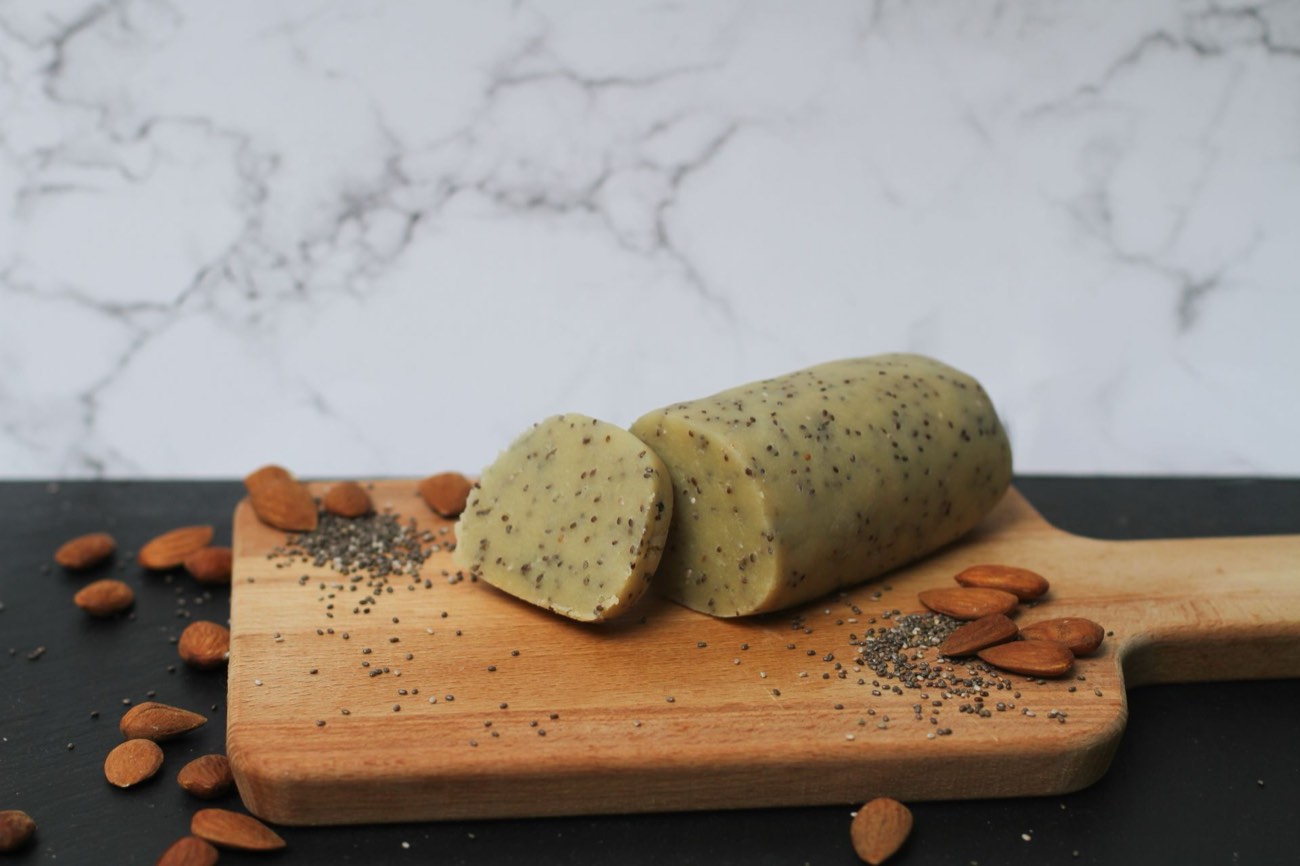
In brief
- Marzipan is born from the marriage of almond and sugar, an encounter that came from the Mediterranean basin and the Middle East.
- Every region of Europe has its tradition: Lübeck, Toledo, Sicily, Alsace.
- In Belgium, marzipan is a deeply rooted festive treat (Saint Nicholas, Christmas).
- Quality has always been judged by the almond content and the fineness of the grinding.
- Silly has carried on this craftsmanship in Brussels since 1988, as a certified artisan manufacturer.
Marzipan is one of Europe's oldest confections, and yet its history remains little known. Where does it really come from? Why does every country claim « its » marzipan? At Silly, a Belgian manufacturer since 1988, we live this heritage every day: here is the story of this almond paste, from its origins to today's Belgian tradition.
Where does marzipan come from?
Marzipan was born from the meeting of the almond, cultivated for millennia around the Mediterranean, and sugar, which spread through Europe in the Middle Ages. Wherever almond trees and sugar were found, people learned to grind the fruit and bind it with sugar into a fine, fragrant paste.
Even its name travels: « massepain » in Belgium and France, « marzipan » in Germany, « marzapane » in Italy, « mazapán » in Spain. So many words for one and the same founding gesture: grinding the almond, sweetening it, shaping it. On what these names cover today, see our article « How is marzipan made? ».
The great marzipan traditions in Europe
Over the centuries, several cities and regions became benchmarks, each with its own signature:
| Region | Signature | Reputation |
|---|---|---|
| Lübeck (Germany) | High, regulated almond content | Premium marzipan |
| Toledo (Spain) | Religious and festive shaping | Festive mazapán |
| Sicily (Italy) | Frutta martorana (sculpted fruits) | Art of modelling |
| Alsace / Belgium | Confectionery for Saint Nicholas and Christmas | Family festive tradition |
What brings all these traditions together: marzipan is a festive treat made for sharing, often shaped by hand into symbolic forms (fruits, animals, lucky pigs).
Le saviez-vous ?: Every great city has « its » marzipan: Lübeck (Germany) even regulated it with a minimum almond content, a guarantee of quality and reputation.
Marzipan, a Belgian festive tradition
In Belgium, marzipan is inseparable from the end-of-year festivities and Saint Nicholas. The colourful figurines, the lucky marzipan pigs and the almond-paste fruits are part of Belgium's culinary heritage.
This tradition explains the sector's vitality: Belgian bakers, pastry chefs, chocolatiers and confectioners work with marzipan all year round, with a considerable seasonal peak from September to December. This is also why a Belgian marzipan manufacturer remains an essential link in the local supply chain.
How has the quality of marzipan always been judged?
Across the ages, a single criterion dominates: the almond content. The higher it is, the finer, more fragrant and nobler the paste. Cities renowned for their marzipan have moreover often regulated a minimum of almond to protect their name.
The second criterion is the fineness of the grinding: an exceptional marzipan is smooth, with no perceptible grain, which means mastering the temperature so as not to release the almond oil. These two centuries-old benchmarks remain those of an artisan manufacturer today.
À retenir: Across the centuries, a single criterion judges a marzipan: the almond content. The higher it is, the finer, more fragrant and nobler the paste.

Silly Belgium: carrying on a living craft
Since 1988, Silly has made marzipan, hazelnut crunch, nougatine and ground almonds in Brussels (Jette). The house selects its almonds under the skies of Spain, the United States and Portugal, grinds them on site and offers five almond contents (from 22% to 50%).
What history teaches us, we put into practice: a marzipan is only good if the almond is good and the grinding is mastered. It is this heritage, combined with an FSSC 22000 certification, that Silly passes on to the family's second generation.
Frequently asked questions about the history of marzipan
What is the origin of marzipan?
Marzipan is born from the meeting of the almond, cultivated around the Mediterranean, and sugar spread through Europe in the Middle Ages. Wherever almonds and sugar were found, people learned to turn them into a fine paste.
Why do several countries claim marzipan?
Because the same idea (grinding the almond, sweetening it, shaping it) appeared in several almond-producing regions: Germany (Lübeck), Spain (Toledo), Italy (Sicily). Each developed its own signature.
Is marzipan a Belgian tradition?
Yes. In Belgium, marzipan is a deeply rooted festive treat, linked to Saint Nicholas and Christmas: figurines, lucky pigs and almond-paste fruits are part of the culinary heritage.
What is the difference between massepain and marzipan?
It is the same product: « marzipan » is the German name. Lübeck marzipan is renowned for its high, regulated almond content, a guarantee of quality.
Since when has Silly made marzipan?
Silly Belgium has made marzipan in Brussels (Jette) since 1988, as an artisan manufacturer certified FSSC 22000, today carried by the family's second generation.
Sources
Got a project? Let's talk.
Silly Belgium has been making marzipan, hazelnut crunch, nougatine and ground almonds in Brussels since 1988. Request a sample or a tailored quote.
Request a sample