In brief
- Criterion no. 1: consistency: the same taste, batch after batch.
- Require quality certifications (FSSC 22000, Rainforest Alliance, HACCP).
- A manufacturer offers more flexibility and traceability than a mere reseller.
- Proximity (short lead times, pickup/delivery) reduces stockouts.
- A good partner supplies technical sheets, samples and a reachable contact.
Choosing an ingredient supplier is not just about price. For a pastry chef, a chocolatier, an ice cream maker or a baker, consistency and reliability weigh far more heavily: one ingredient that varies, and a whole range shifts. Here are five concrete criteria: and the questions to ask before you commit.
1. Product consistency
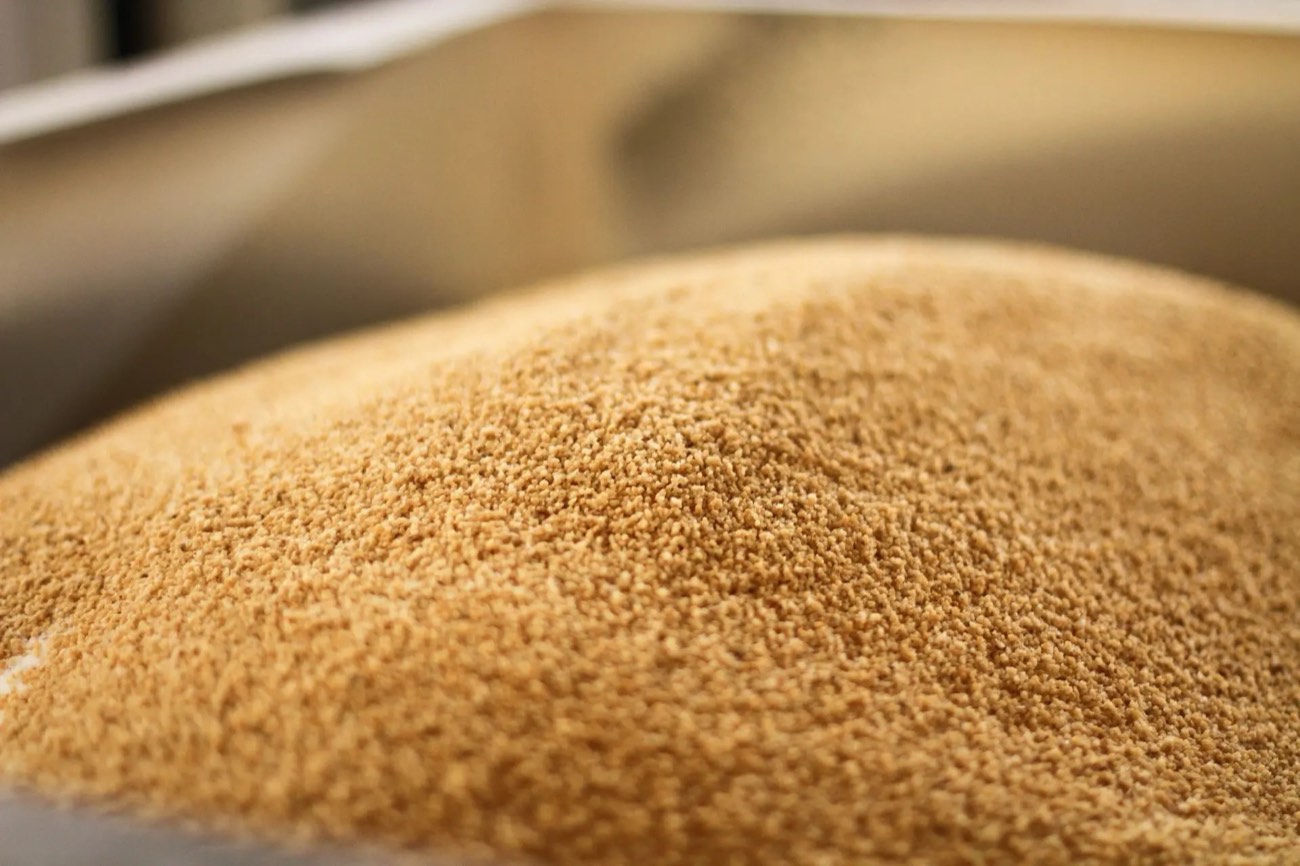
This is criterion no. 1. Marzipan, hazelnut crunch or almond powder must have exactly the same taste and the same texture from one batch to the next. One variation, and your recipe, your material cost and your image all shift. Ask how the supplier guarantees this consistency: quality controls, production records, raw material traceability.
2. Quality certifications
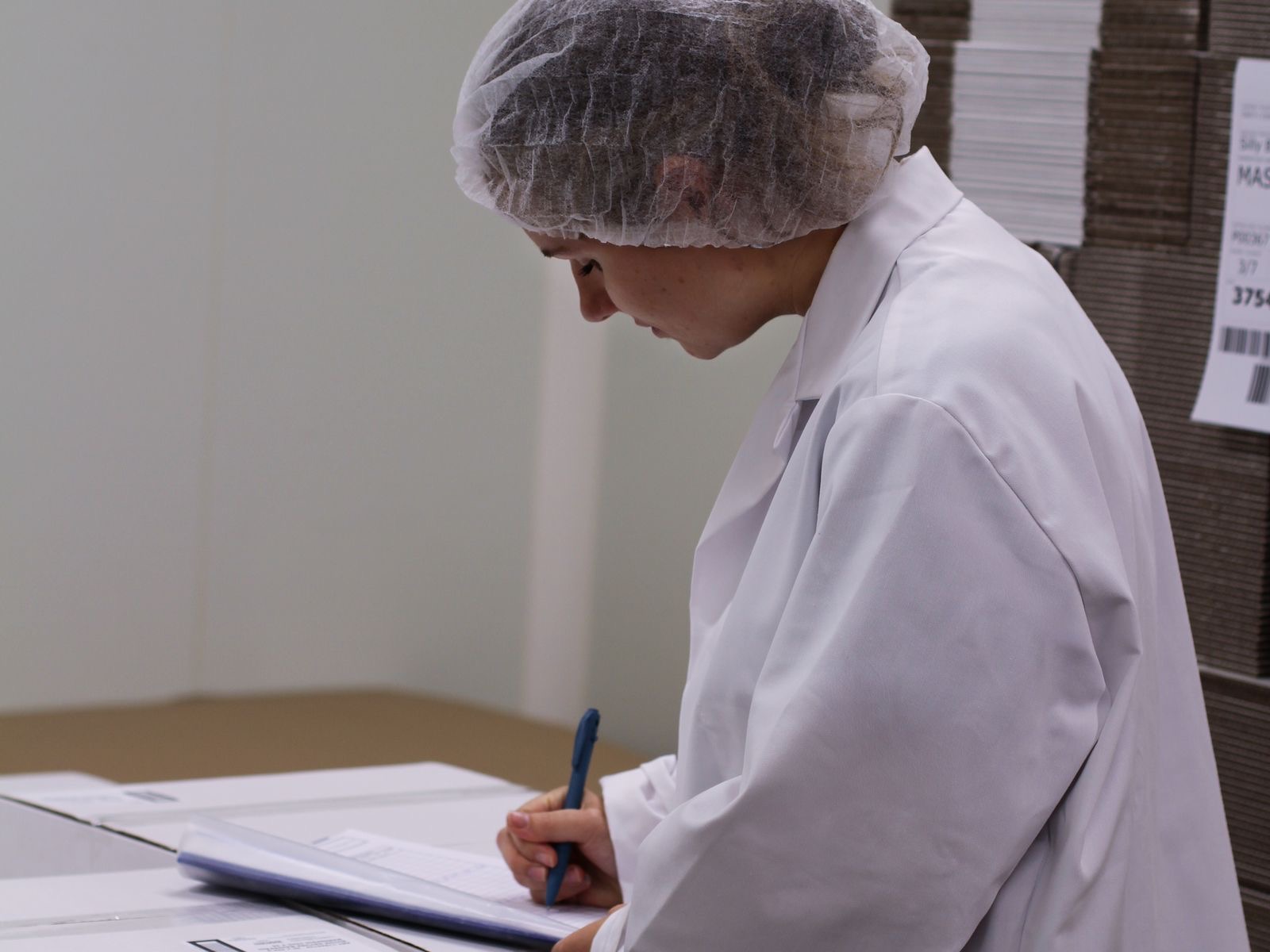
Labels are not decorative: they prove a mastery of hygiene and food safety. Look for at least FSSC 22000 (food safety), HACCP, and sustainable commitments such as Rainforest Alliance. They protect you and your customers, and make your own audits easier.
3. Manufacturer or distributor: which to choose?
A distributor resells third-party brands: a wide catalogue, but little control over the product. A manufacturer controls its recipe, its traceability and can adapt the product to your needs.
| Criterion | Manufacturer | Distributor |
|---|---|---|
| Customisation | High (adaptable recipe) | Low |
| Traceability | Direct | Indirect |
| Catalogue | Focused, expert | Very wide, generalist |
| Price of a signature ingredient | Often fairer | Intermediate margin |
For an ingredient that makes your signature, the manufacturer has the edge; for multi-product troubleshooting, the distributor gets you out of trouble.
À retenir: A manufacturer masters its process (consistency, bespoke work); a distributor resells variable sources. For a stable signature recipe, the manufacturer has the edge.
4. Flexibility and bespoke work
Your needs evolve: a different almond content, a flavour, a precise packaging, a packaging format. A good supplier knows how to adapt texture, content, colour, format and packaging: ideally from small volumes, with a sample before ordering. This flexibility sets a partner apart from a mere catalogue.
5. Proximity and service
A local supplier (short lead times, pickup and delivery) limits stockouts and makes urgent restocks easier. Add a reachable contact, technical sheets (allergens, nutritional values) and a fast response: this is what makes the difference day to day, especially during the holiday season.
The 5 questions to ask before you commit
1. How do you guarantee consistency from one batch to the next?
2. Which certifications do you hold (FSSC 22000, HACCP, organic…)?
3. Do you manufacture yourselves, or do you resell?
4. Can I get a sample and adapt the product to my recipe?
5. What are your lead times, minimum orders and delivery conditions?
Recommandation: Before you commit, always ask for a sample and test it in your own recipe: the result in the lab is worth more than any commercial promise.
Frequently asked questions
How do you choose a pastry supplier?
First assess product consistency, then certifications (FSSC 22000, HACCP), status (manufacturer vs distributor), bespoke flexibility and proximity/service.
Is a manufacturer or a wholesaler better?
A manufacturer masters its recipe, its traceability and bespoke work; a wholesaler offers a wider catalogue of third-party brands. For a signature ingredient, the manufacturer has the edge.
Which certifications should you check with a food supplier?
At least FSSC 22000 and HACCP for food safety, and sustainable labels such as Rainforest Alliance.
Can you order in small volumes?
With a flexible manufacturer like Silly, yes: formats and packaging are adaptable, with a sample possible before ordering.
How do you avoid supply shortages?
Favour a nearby supplier with short lead times, with pickup and delivery, and anticipate the peaks (holidays) together with them.
What questions should you ask a new supplier?
Consistency, certifications, manufacturer or reseller, sample and customisation possible, lead times and minimum orders.
Does Silly deliver in Belgium?
Yes, Silly Belgium manufactures in Jette (Brussels) and offers pickup and delivery, with short lead times for professionals.
Sources
- Choprabisco: Belgian federation of chocolate, biscuits and confectionery
- FSSC 22000 certification (official body)
- Rainforest Alliance (sustainable sourcing)
Got a project? Let's talk.
Silly Belgium has been making marzipan, hazelnut crunch, nougatine and ground almonds in Brussels since 1988. Request a sample or a tailored quote.
Request a sample